

Kod produktu: 20731287
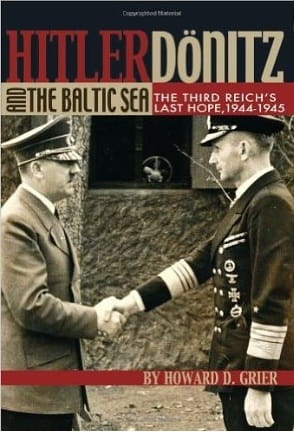
Howard D.Grier, Hitler, Donitz and the Baltic Sea: The Third Reich's Last Hope, 1944-1945
Wydawnictwo: Naval Institute Press Rok wydania: 2007 Liczba stron: 287 Okładka: twarda Stan: nowa
Program lojalnościowy
Zdobywaj punkty za zakup produktów objętych programem lojalnościowym. Za punkty będą naliczane rabaty na kolejne zakupy.
W panelu klienta znajdziesz informacje o Twoim stałym rabacie.
Zdobywaj punkty za zakup produktów objętych programem lojalnościowym. Otrzymuj produkty lub rabaty na kolejne zakupy.
Załóż konto lub zaloguj się. W panelu klienta znajdziesz informacje o zebranych punktach.
Zapytaj o produkt

Administratorem danych osobowych jest CZAS KSIĄŻKI. Przetwarzamy je w celu przesłania odpowiedzi na zapytanie. Więcej informacji dotyczących przetwarzania danych osobowych znajduje się w polityce prywatności.
Udostępnianie karty produktu



Paczkomaty InPost
Koszty dostawy wybranego produktu
-
Paczkomaty 12,99 zł
Paczkomaty InPost
-
Przesyłka kurierska do 30 kg 19,00 zł
-
Przesyłka ekonomiczna polecona -Poczta Polska 14,90 zł
-
Przesyłka priorytetowa polecona -Poczta Polska 15,90 zł
Cena dostawy dotyczy tego produktu (w wybranym wariancie - jeśli dotyczy). Może się ona zmienić po dodaniu innych produktów do koszyka.
Opis produktu
Książka w języku angielskim.
Wysyłka w ciągu 6-9 dni roboczych.
In October 1944 Adolph Hitler refused to withdraw Army Group North from the Baltic States and ordered it to defend the Latvian province of Courland after the Soviets severed its land contact with the Reich. Similarly, he allowed almost another entire army group's isolation in East Prussia in January 1945. Over one million German soldiers fought in these Baltic pockets, and another 350,000 troops sat idle in Norway as Soviet and Anglo-American troops advanced into Germany. Hitler, Dönitz, and the Baltic Sea looks at several possible reasons for Hitler's decision to defend the Baltic bridgeheads are analyzed, including (1) that Hitler hoped to tie down disproportionate numbers of Soviet troops in these areas, (2) that he planned later to launch an offensive from Courland, and (3) that only the presence of German armies in Latvia prevented Sweden from entering the war on the side of the Allies. The most likely reason, however, was Hitler's desire to turn the tide of the war by reviving the Battle of the Atlantic with new models of technologically advanced submarines. With these U-boats Admiral Dönitz planned to sever the link between Britain and America, and force Britain to surrender. To do this, he required German control of the Baltic Sea in order to test the new submarines and train their crews. In addition, following the loss of France in the summer of 1944, Norway remained the sole area from which Germany could launch the new U-boat offensive.


 Zaloguj przez Google
