

Kod produktu: 7A2D-96SMU
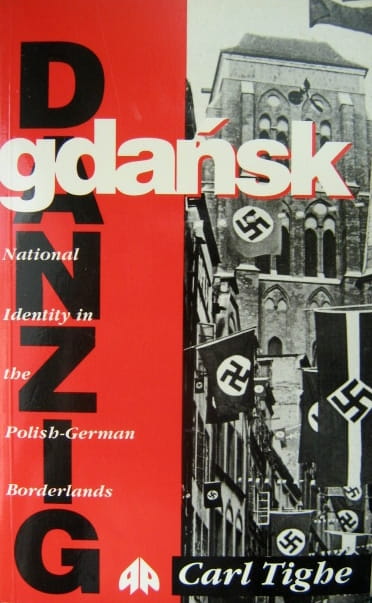
Carl Tighe, Gdańsk National Identity in the Polish- German Borderlands
Wydawnictwo: Pluto Press
Rok wydania: 1990
Liczba stron: 314
Okładka: miękka
Stan: bardzo dobry
Program lojalnościowy
Zdobywaj punkty za zakup produktów objętych programem lojalnościowym. Za punkty będą naliczane rabaty na kolejne zakupy.
W panelu klienta znajdziesz informacje o Twoim stałym rabacie.
Zdobywaj punkty za zakup produktów objętych programem lojalnościowym. Otrzymuj produkty lub rabaty na kolejne zakupy.
Załóż konto lub zaloguj się. W panelu klienta znajdziesz informacje o zebranych punktach.
Zapytaj o produkt

Administratorem danych osobowych jest CZAS KSIĄŻKI. Przetwarzamy je w celu przesłania odpowiedzi na zapytanie. Więcej informacji dotyczących przetwarzania danych osobowych znajduje się w polityce prywatności.
Udostępnianie karty produktu



Paczkomaty InPost
Koszty dostawy wybranego produktu
-
Paczkomaty 12,99 zł
Paczkomaty InPost
-
Przesyłka kurierska do 30 kg 19,00 zł
-
Przesyłka ekonomiczna polecona -Poczta Polska 14,90 zł
-
Przesyłka priorytetowa polecona -Poczta Polska 15,90 zł
Cena dostawy dotyczy tego produktu (w wybranym wariancie - jeśli dotyczy). Może się ona zmienić po dodaniu innych produktów do koszyka.
Opis produktu
Wydawnictwo: Pluto Press
Rok wydania: 1990
Liczba stron: 314
Okładka: miękka
Stan: bardzo dobry
UNIKAT!
Książka w języku angielskim
Wysyłka w ciągu 24 godzin
Carl Tighe aims to open up a debate about nationalism in Poland by examining some of the processes of history in one small but important place. Gdansk and its locality was where World War II started, where Solidarity was formed and where contemporary change is focused. Throughout its history the town has been a major site of exchange between East and West, and as such its own history provides valuable insights into the tensions and processes which have shaped modern Europe. The first section of the book traces the city's history from 8000 BC to 1918: the arrival of Slav and Germanic tribes, urban growth in response to the grain trade, the widening rift between Eastern Europe and a rapidly industrializing West, Germanization and the coming of the Nazis. The second section looks at the period from 1918-45: Nazi exploitation, genocide, kidnapping of "racially valuable" Polish children, the destruction of the city in 1945, Russian and Polish intervention, and attempts to destroy the German identity. Section 3 looks at Post-War perspectives: the reconstruction of the city, its integration into the Polish state and it's meaning as a place to both Poland and West Germany, Gdansk has made history, but history has also been made for it, by rival German and Polish national interests. Tighe uses the history of Gdansk as a way into examining the formation of the modern nations which surround it.


 Zaloguj przez Google
