

Kod produktu: 22204161
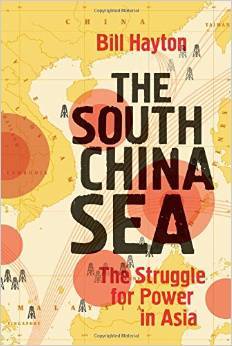
Bill Hayton, The South China Sea: The Struggle for Power in Asia
Wydawnictwo: Yale University Press Rok wydania: 2014 Liczba stron: 320 Okładka: twarda Stan: nowa
Program lojalnościowy
Zdobywaj punkty za zakup produktów objętych programem lojalnościowym. Za punkty będą naliczane rabaty na kolejne zakupy.
W panelu klienta znajdziesz informacje o Twoim stałym rabacie.
Zdobywaj punkty za zakup produktów objętych programem lojalnościowym. Otrzymuj produkty lub rabaty na kolejne zakupy.
Załóż konto lub zaloguj się. W panelu klienta znajdziesz informacje o zebranych punktach.
Zapytaj o produkt

Administratorem danych osobowych jest CZAS KSIĄŻKI. Przetwarzamy je w celu przesłania odpowiedzi na zapytanie. Więcej informacji dotyczących przetwarzania danych osobowych znajduje się w polityce prywatności.
Udostępnianie karty produktu



Paczkomaty InPost
Koszty dostawy wybranego produktu
-
Paczkomaty 12,99 zł
Paczkomaty InPost
-
Przesyłka kurierska do 30 kg 19,00 zł
-
Przesyłka ekonomiczna polecona -Poczta Polska 14,90 zł
-
Przesyłka priorytetowa polecona -Poczta Polska 15,90 zł
Cena dostawy dotyczy tego produktu (w wybranym wariancie - jeśli dotyczy). Może się ona zmienić po dodaniu innych produktów do koszyka.
Opis produktu
Książka w języku angielskim.
Wysyłka w ciągu 6-9 dni roboczych.
China's rise has upset the global balance of power, and the first place to feel the strain is Beijing's backyard: the South China Sea. For decades tensions have smouldered in the region, but today the threat of a direct confrontation among superpowers grows ever more likely. This important book is the first to make clear sense of the South Sea disputes. Bill Hayton, a journalist with extensive experience in the region, examines the high stakes involved for rival nations that include Vietnam, India, Taiwan, the Philippines, and China, as well as the United States, Russia and others. Hayton also lays out the daunting obstacles that stand in the way of peaceful resolution. Through lively stories of individuals who have shaped current conflicts - businessmen, scientists, shippers, archaeologists, soldiers, diplomats - Hayton makes understandable the complex history and contemporary reality of the South China Sea. He underscores its crucial importance as the passageway for half the world's merchant shipping and one third of its oil and gas. Whoever controls these waters controls the access between Europe, the Middle East, South Asia, and the Pacific. The author critiques various claims and positions (that China has historic claim to the Sea, for example), overturns conventional wisdom (such as America's overblown fears of China's nationalism and military resurgence), and outlines what the future may hold for this clamorous region of international rivalry.


 Zaloguj przez Google
