

Kod produktu: 22417218
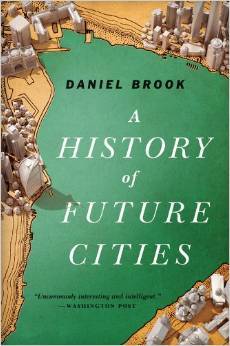
Daniel Brook, A History of Future Cities
Wydawnictwo: W. W. Norton & Company Rok wydania: 2014 Liczba stron: 480 Okładka: miękka Stan: nowa
Program lojalnościowy
Zdobywaj punkty za zakup produktów objętych programem lojalnościowym. Za punkty będą naliczane rabaty na kolejne zakupy.
W panelu klienta znajdziesz informacje o Twoim stałym rabacie.
Zdobywaj punkty za zakup produktów objętych programem lojalnościowym. Otrzymuj produkty lub rabaty na kolejne zakupy.
Załóż konto lub zaloguj się. W panelu klienta znajdziesz informacje o zebranych punktach.
Zapytaj o produkt

Administratorem danych osobowych jest CZAS KSIĄŻKI. Przetwarzamy je w celu przesłania odpowiedzi na zapytanie. Więcej informacji dotyczących przetwarzania danych osobowych znajduje się w polityce prywatności.
Udostępnianie karty produktu



Paczkomaty InPost
Koszty dostawy wybranego produktu
-
Paczkomaty 12,99 zł
Paczkomaty InPost
-
Przesyłka kurierska do 30 kg 19,00 zł
-
Przesyłka ekonomiczna polecona -Poczta Polska 14,90 zł
-
Przesyłka priorytetowa polecona -Poczta Polska 15,90 zł
Cena dostawy dotyczy tego produktu (w wybranym wariancie - jeśli dotyczy). Może się ona zmienić po dodaniu innych produktów do koszyka.
Opis produktu
Książka w języku angielskim.
Wysyłka w ciągu 6-9 dni roboczych.
Every month, five million people move from the past to the future. Pouring into developing-world "instant cities" like Dubai and Shenzhen, these urban newcomers confront a modern world cobbled together from fragments of a West they have never seen. Do these fantastical boomtowns, where blueprints spring to life overnight on virgin land, represent the dawning of a brave new world? Or is their vaunted newness a mirage? In a captivating blend of history and reportage, Daniel Brook travels to a series of major metropolitan hubs that were once themselves instant cities-- St. Petersburg, Shanghai, and Mumbai--to watch their "dress rehearsals for the twenty-first century." Understanding today's emerging global order, he argues, requires comprehending the West's profound and conflicted influence on developing-world cities over the centuries. In 1703, Tsar Peter the Great personally oversaw the construction of a new Russian capital, a "window on the West" carefully modeled on Amsterdam, that he believed would wrench Russia into the modern world. In the nineteenth century, Shanghai became the fastest-growing city on earth as it mushroomed into an English-speaking, Western-looking metropolis that just happened to be in the Far East. Meanwhile, Bombay, the cosmopolitan hub of the British Raj, morphed into a tropical London at the hands of its pith-helmeted imperialists.


 Zaloguj przez Google
