

Kod produktu: 21975841
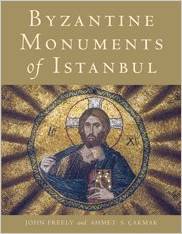
J.Freely A.S.Cakmark, Byzantine Monuments of Istanbul
Wydawnictwo: Cambridge University Press Rok wydania: 2009 Liczba stron: 342 Okładka: miękka Stan: nowa
Program lojalnościowy
Zdobywaj punkty za zakup produktów objętych programem lojalnościowym. Za punkty będą naliczane rabaty na kolejne zakupy.
W panelu klienta znajdziesz informacje o Twoim stałym rabacie.
Zdobywaj punkty za zakup produktów objętych programem lojalnościowym. Otrzymuj produkty lub rabaty na kolejne zakupy.
Załóż konto lub zaloguj się. W panelu klienta znajdziesz informacje o zebranych punktach.
Zapytaj o produkt

Administratorem danych osobowych jest CZAS KSIĄŻKI. Przetwarzamy je w celu przesłania odpowiedzi na zapytanie. Więcej informacji dotyczących przetwarzania danych osobowych znajduje się w polityce prywatności.
Udostępnianie karty produktu



Paczkomaty InPost
Koszty dostawy wybranego produktu
-
Paczkomaty Darmowa
Paczkomaty InPost
-
Przesyłka kurierska do 30 kg Darmowa
-
Przesyłka ekonomiczna polecona -Poczta Polska Darmowa
-
Przesyłka priorytetowa polecona -Poczta Polska Darmowa
Cena dostawy dotyczy tego produktu (w wybranym wariancie - jeśli dotyczy). Może się ona zmienić po dodaniu innych produktów do koszyka.
Opis produktu
Książka w języku angielskim.
Wysyłka w ciągu 6-9 dni roboczych.
This is the story of the Byzantine monuments of Istanbul, the city known in the medieval period as Constantinople and in classical antiquity as Byzantium. Constantinople was the capital of the Byzantine Empire from 330 until 1453 and was renowned for the beauty and grandeur of its churches and palaces. The extant Byzantine monuments of Istanbul include more than twenty churches, most notably Hagia Sophia, as well as the remains of the land and sea walls, the Hippodrome, imperial palaces, commemorative columns, reservoirs and cisterns, an aqueduct, a triumphal archway, and a fortified port. They are described here in chronological order and in the context of their times, through the political, religious, social, economic, intellectual, and artistic developments in the dynasties that came to power during the turbulent Byzantine Age. A major part of the architectural and artistic heritage of Byzantium, these monuments also serve as a link between the world of classical antiquity and the new epochs of early modern Europe and the Ottoman Empire.


 Zaloguj przez Google
