

Kod produktu: 20301833
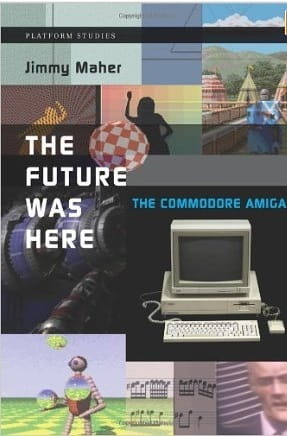
Jimmy Maher, The Future Was Here: The Commodore Amiga (Platform Studies Series)
Wydawnictwo: MIT Press Rok wydania: 2012 Liczba stron: 344 Okładka: twarda Stan: bardzo dobry
Program lojalnościowy
Zdobywaj punkty za zakup produktów objętych programem lojalnościowym. Za punkty będą naliczane rabaty na kolejne zakupy.
W panelu klienta znajdziesz informacje o Twoim stałym rabacie.
Zdobywaj punkty za zakup produktów objętych programem lojalnościowym. Otrzymuj produkty lub rabaty na kolejne zakupy.
Załóż konto lub zaloguj się. W panelu klienta znajdziesz informacje o zebranych punktach.
Zapytaj o produkt

Administratorem danych osobowych jest CZAS KSIĄŻKI. Przetwarzamy je w celu przesłania odpowiedzi na zapytanie. Więcej informacji dotyczących przetwarzania danych osobowych znajduje się w polityce prywatności.
Udostępnianie karty produktu



Paczkomaty InPost
Koszty dostawy wybranego produktu
-
Paczkomaty 12,99 zł
Paczkomaty InPost
-
Przesyłka kurierska do 30 kg 19,00 zł
-
Przesyłka ekonomiczna polecona -Poczta Polska 14,90 zł
-
Przesyłka priorytetowa polecona -Poczta Polska 15,90 zł
Cena dostawy dotyczy tego produktu (w wybranym wariancie - jeśli dotyczy). Może się ona zmienić po dodaniu innych produktów do koszyka.
Opis produktu
Książka w języku angielskim.
Stan dobry lub bardzo dobry ( wysyłamy zawsze najlepszy dostępny egzemplarz)
Wysyłka w ciągu 10 dni roboczych.
Long ago, in 1985, personal computers came in two general categories: the friendly, childish game machine used for fun (exemplified by Atari and Commodore products); and the boring, beige adult box used for business (exemplified by products from IBM). The game machines became fascinating technical and artistic platforms that were of limited real-world utility. The IBM products were all utility, with little emphasis on aesthetics and no emphasis on fun. Into this bifurcated computing environment came the Commodore Amiga 1000. This personal computer featured a palette of 4,096 colors, unprecedented animation capabilities, four-channel stereo sound, the capacity to run multiple applications simultaneously, a graphical user interface, and powerful processing potential. It was, Jimmy Maher writes in The Future Was Here, the world's first true multimedia personal computer. Maher argues that the Amiga's capacity to store and display color photographs, manipulate video (giving amateurs access to professional tools), and use recordings of real-world sound were the seeds of the digital media future: digital cameras, Photoshop, MP3 players, and even YouTube, Flickr, and the blogosphere. He examines different facets of the platform--from Deluxe Paint to AmigaOS to Cinemaware--in each chapter, creating a portrait of the platform and the communities of practice that surrounded it. Of course, Maher acknowledges, the Amiga was not perfect: the DOS component of the operating systems was clunky and ill-matched, for example, and crashes often accompanied multitasking attempts. And Commodore went bankrupt in 1994. But for a few years, the Amiga's technical qualities were harnessed by engineers, programmers, artists, and others to push back boundaries and transform the culture of computing.


 Zaloguj przez Google
