

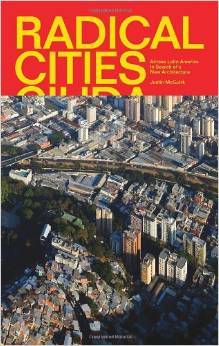
Kod produktu: 22417156
Justin McGuirk, Radical Cities: Across Latin America in Search of a New Architecture
Wydawnictwo: Verso Books Rok wydania: 2014 Liczba stron: 288 Okładka: twarda Stan: nowa
Program lojalnościowy
Zdobywaj punkty za zakup produktów objętych programem lojalnościowym. Za punkty będą naliczane rabaty na kolejne zakupy.
W panelu klienta znajdziesz informacje o Twoim stałym rabacie.
Zdobywaj punkty za zakup produktów objętych programem lojalnościowym. Otrzymuj produkty lub rabaty na kolejne zakupy.
Załóż konto lub zaloguj się. W panelu klienta znajdziesz informacje o zebranych punktach.
Zapytaj o produkt

Administratorem danych osobowych jest CZAS KSIĄŻKI. Przetwarzamy je w celu przesłania odpowiedzi na zapytanie. Więcej informacji dotyczących przetwarzania danych osobowych znajduje się w polityce prywatności.
Udostępnianie karty produktu



Paczkomaty InPost
Koszty dostawy wybranego produktu
-
Paczkomaty 12,99 zł
Paczkomaty InPost
-
Przesyłka kurierska do 30 kg 19,00 zł
-
Przesyłka ekonomiczna polecona -Poczta Polska 14,90 zł
-
Przesyłka priorytetowa polecona -Poczta Polska 15,90 zł
Cena dostawy dotyczy tego produktu (w wybranym wariancie - jeśli dotyczy). Może się ona zmienić po dodaniu innych produktów do koszyka.
Opis produktu
Książka w języku angielskim.
Wysyłka w ciągu 6-9 dni roboczych.
What makes the city of the future? How do you heal a divided city? In Radical Cities, Justin McGuirk travels across Latin America in search of the activist architects, maverick politicians and alternative communities already answering these questions. From Brazil to Venezuela, and from Mexico to Argentina, McGuirk discovers the people and ideas shaping the way cities are evolving. Ever since the mid twentieth century, when the dream of modernist utopia went to Latin America to die, the continent has been a testing ground for exciting new conceptions of the city. An architect in Chile has designed a form of social housing where only half of the house is built, allowing the owners to adapt the rest; Medellín, formerly the world's murder capital, has been transformed with innovative public architecture; squatters in Caracas have taken over the forty-five-storey Torre David skyscraper; and Rio is on a mission to incorporate its favelas into the rest of the city. Here, in the most urbanised continent on the planet, extreme cities have bred extreme conditions, from vast housing estates to sprawling slums. But after decades of social and political failure, a new generation has revitalised architecture and urban design in order to address persistent poverty and inequality. Together, these activists, pragmatists and social idealists are performing bold experiments that the rest of the world may learn from.


 Zaloguj przez Google
