

Kod produktu: 21927015
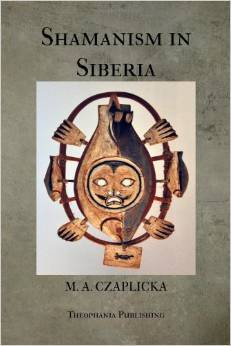
M.A.Czaplicka, Shamanism in Siberia
Wydawnictwo: CreateSpace Independent Publishing Rok wydania: 2012 Liczba stron: 180 Okładka: miękka Stan: nowa
Program lojalnościowy
Zdobywaj punkty za zakup produktów objętych programem lojalnościowym. Za punkty będą naliczane rabaty na kolejne zakupy.
W panelu klienta znajdziesz informacje o Twoim stałym rabacie.
Zdobywaj punkty za zakup produktów objętych programem lojalnościowym. Otrzymuj produkty lub rabaty na kolejne zakupy.
Załóż konto lub zaloguj się. W panelu klienta znajdziesz informacje o zebranych punktach.
Zapytaj o produkt

Administratorem danych osobowych jest CZAS KSIĄŻKI. Przetwarzamy je w celu przesłania odpowiedzi na zapytanie. Więcej informacji dotyczących przetwarzania danych osobowych znajduje się w polityce prywatności.
Udostępnianie karty produktu



Paczkomaty InPost
Koszty dostawy wybranego produktu
-
Paczkomaty 12,99 zł
Paczkomaty InPost
-
Przesyłka kurierska do 30 kg 19,00 zł
-
Przesyłka ekonomiczna polecona -Poczta Polska 14,90 zł
-
Przesyłka priorytetowa polecona -Poczta Polska 15,90 zł
Cena dostawy dotyczy tego produktu (w wybranym wariancie - jeśli dotyczy). Może się ona zmienić po dodaniu innych produktów do koszyka.
Opis produktu
Książka w języku angielskim.
Wysyłka w ciągu 6-9 dni roboczych.
SHAMANISM is understood by some people to be a primitive form of religion or religio-magic practised by the aborigines of northern Asia as well as by all other aborigines in other parts of the world. This opinion is held by Mikhailowski, Kharuzin, and some other Russian scientists. Others hold that Shamanism was only one form of expression of the religious cult of northern Asia, practised in order to avert the evil spirits. This opinion is found in the writings of Jochelson and Bogoras. There is still another view put forward, which it is well for us to consider. This view we find expressed very clearly in the following extract from Klementz: 'One must not lose sight of the fact that in the various beliefs of the Siberian tribes a very close connexion is noticeable, and, likewise, there can be observed an uninterrupted identity in the foundations of their mythology, and in their rites, even extending as far as the nomenclature-all of which gives one the right to suppose that these beliefs are the result of the joint work of the intellectual activity of the whole north of Asia.'


 Zaloguj przez Google
