

Kod produktu: 20844067
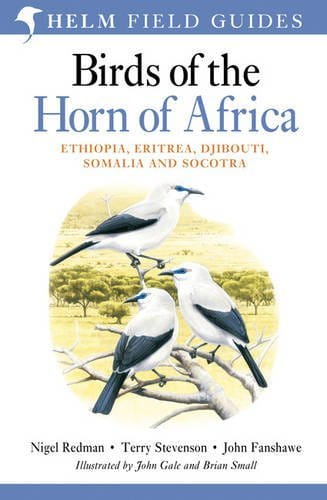
Nigel Redman, Birds of the Horn of Africa: Ethiopia, Eritrea, Djibouti, Somalia and Socotra
Wydawnictwo: Christopher Helm Publishers Ltd Rok wydania: 2011 Liczba stron: 512 Okładka: miękka Stan: nowa
Program lojalnościowy
Zdobywaj punkty za zakup produktów objętych programem lojalnościowym. Za punkty będą naliczane rabaty na kolejne zakupy.
W panelu klienta znajdziesz informacje o Twoim stałym rabacie.
Zdobywaj punkty za zakup produktów objętych programem lojalnościowym. Otrzymuj produkty lub rabaty na kolejne zakupy.
Załóż konto lub zaloguj się. W panelu klienta znajdziesz informacje o zebranych punktach.
Zapytaj o produkt

Administratorem danych osobowych jest CZAS KSIĄŻKI. Przetwarzamy je w celu przesłania odpowiedzi na zapytanie. Więcej informacji dotyczących przetwarzania danych osobowych znajduje się w polityce prywatności.
Udostępnianie karty produktu



Paczkomaty InPost
Koszty dostawy wybranego produktu
-
Paczkomaty 12,99 zł
Paczkomaty InPost
-
Przesyłka kurierska do 30 kg 19,00 zł
-
Przesyłka ekonomiczna polecona -Poczta Polska 14,90 zł
-
Przesyłka priorytetowa polecona -Poczta Polska 15,90 zł
Cena dostawy dotyczy tego produktu (w wybranym wariancie - jeśli dotyczy). Może się ona zmienić po dodaniu innych produktów do koszyka.
Opis produktu
Książka w języku angielskim.
Wysyłka w ciągu 6-9 dni roboczych.
The Horn of Africa has the highest endemism of any region in Africa, and around 70 species are found nowhere else in the world. Many of these are confined to the isolated highlands of Ethiopia and Eritrea, but a large number of larks specialise in the arid parts of Somalia and adjoining eastern Ethiopia, whilst the island of Socotra has its own suite of endemic species. The region is also an important migration route and wintering site for many Palearctic birds. This is the first field guide to the birds of this fascinating region, and a companion to Birds of East Africa by two of the same authors. Over 200 magnificent plates by John Gale and Brian Small illustrate every species that has ever occurred in the five countries covered by the guide, and the succinct text covers the key identification criteria. Special attention is paid to the voices of the species, and over 1000 up-to-date colour distribution maps are included. This long-awaited guide is a much-needed addition to the literature on African birds and an essential companion for birders visiting the region.


 Zaloguj przez Google
