

Kod produktu: 11BF-7P53
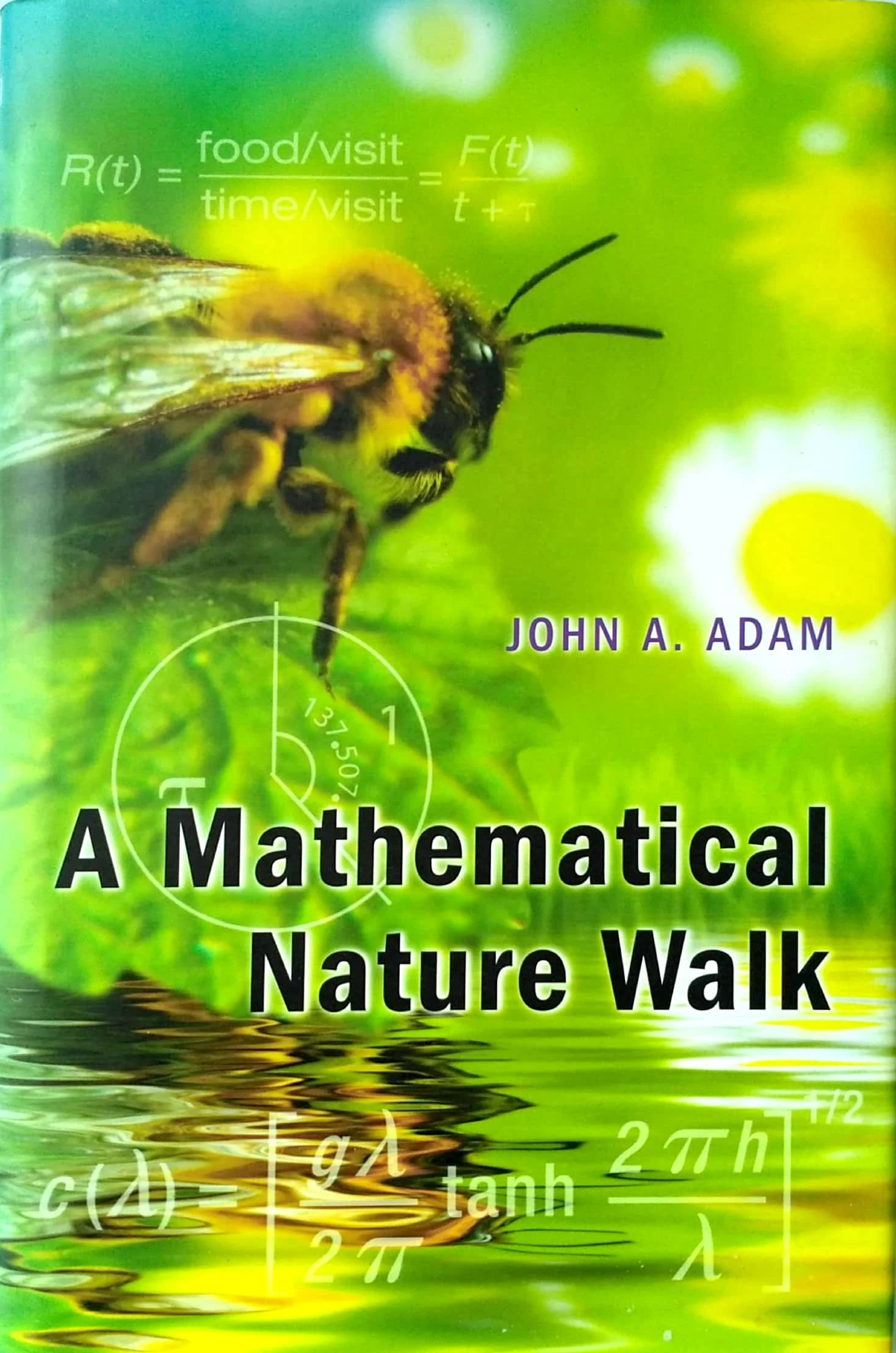
John Adam, A Mathematical Nature Walk
Wydawnictwo: Princeton University Press
Rok wydania: 2009
Liczba stron: 248
Okładka: twarda z obwolutą
Stan: bardzo dobry - (przykurzenia)
Program lojalnościowy
Zdobywaj punkty za zakup produktów objętych programem lojalnościowym. Za punkty będą naliczane rabaty na kolejne zakupy.
W panelu klienta znajdziesz informacje o Twoim stałym rabacie.
Zdobywaj punkty za zakup produktów objętych programem lojalnościowym. Otrzymuj produkty lub rabaty na kolejne zakupy.
Załóż konto lub zaloguj się. W panelu klienta znajdziesz informacje o zebranych punktach.
Zapytaj o produkt

Administratorem danych osobowych jest CZAS KSIĄŻKI. Przetwarzamy je w celu przesłania odpowiedzi na zapytanie. Więcej informacji dotyczących przetwarzania danych osobowych znajduje się w polityce prywatności.
Udostępnianie karty produktu



Paczkomaty InPost
Koszty dostawy wybranego produktu
-
Paczkomaty 12,99 zł
Paczkomaty InPost
-
Przesyłka kurierska do 30 kg 19,00 zł
-
Przesyłka ekonomiczna polecona -Poczta Polska 14,90 zł
-
Przesyłka priorytetowa polecona -Poczta Polska 15,90 zł
Cena dostawy dotyczy tego produktu (w wybranym wariancie - jeśli dotyczy). Może się ona zmienić po dodaniu innych produktów do koszyka.
Opis produktu
Wydawnictwo: Princeton University Press
Rok wydania: 2009
Liczba stron: 248
Okładka: twarda z obwolutą
Stan: bardzo dobry - (przykurzenia)
UNIKAT!
Książka w języku angielskim
How heavy is that cloud? Why can you see farther in rain than in fog? Why are the droplets on that spider web spaced apart so evenly? If you have ever asked questions like these while outdoors, and wondered how you might figure out the answers, this is a book for you. An entertaining and informative collection of fascinating puzzles from the natural world around us, A Mathematical Nature Walk will delight anyone who loves nature or math or both. John Adam presents ninety-six questions about many common natural phenomena--and a few uncommon ones--and then shows how to answer them using mostly basic mathematics. Can you weigh a pumpkin just by carefully looking at it? Why can you see farther in rain than in fog? What causes the variations in the colors of butterfly wings, bird feathers, and oil slicks? And why are large haystacks prone to spontaneous combustion? These are just a few of the questions you'll find inside. Many of the problems are illustrated with photos and drawings, and the book also has answers, a glossary of terms, and a list of some of the patterns found in nature. About a quarter of the questions can be answered with arithmetic, and many of the rest require only precalculus. But regardless of math background, readers will learn from the informal descriptions of the problems and gain a new appreciation of the beauty of nature and the mathematics that lies behind it.


 Zaloguj przez Google
