

Kod produktu: 28C2-2P54
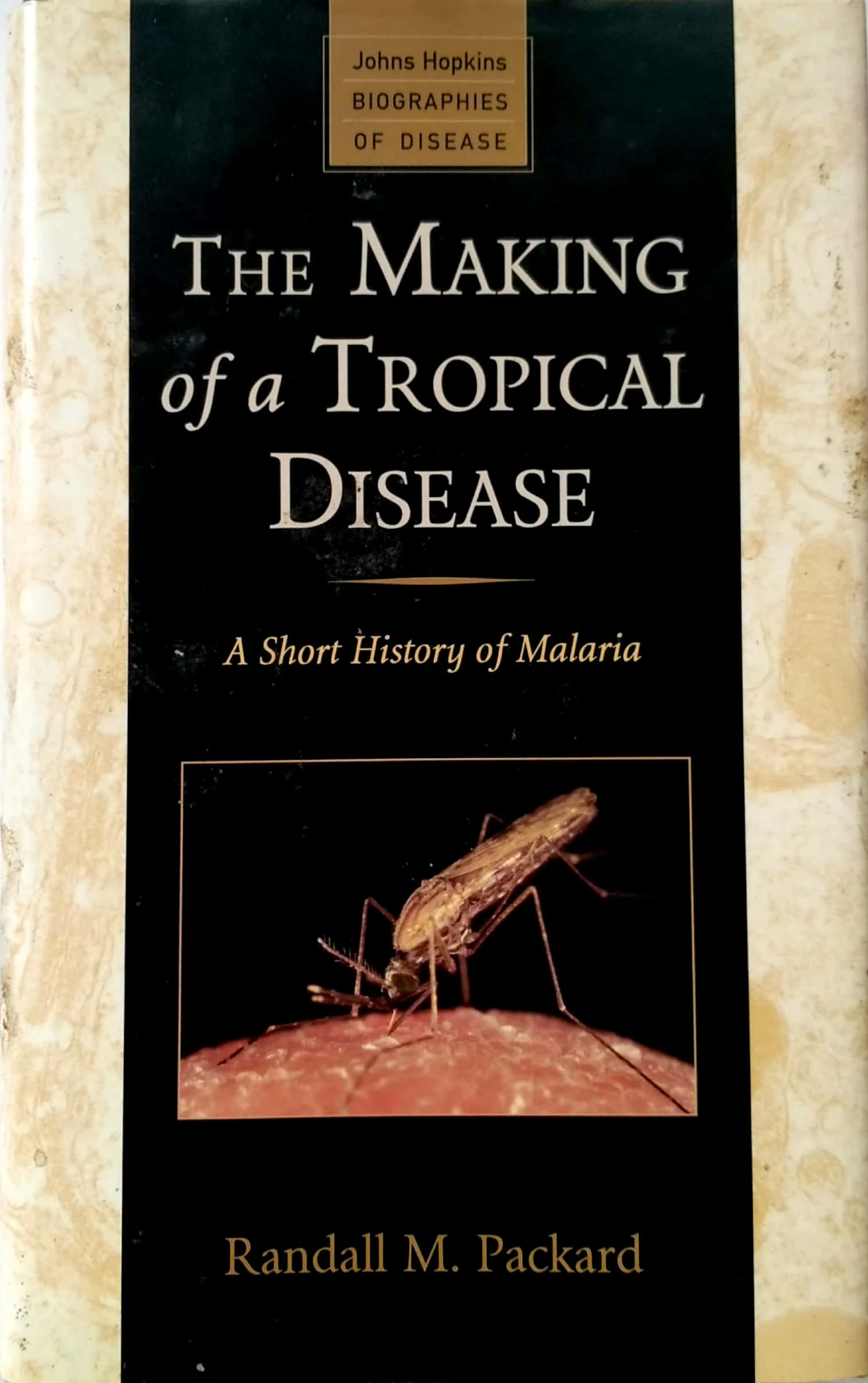
Randall M. Packard, The Making of a Tropical Disease
Wydawnictwo: The Johns Hopkins University Press
Rok wydania: 2007
Liczba stron: 296
Okładka: twarda z obwolutą
Stan: dobry + (przykurzenia)
Program lojalnościowy
Zdobywaj punkty za zakup produktów objętych programem lojalnościowym. Za punkty będą naliczane rabaty na kolejne zakupy.
W panelu klienta znajdziesz informacje o Twoim stałym rabacie.
Zdobywaj punkty za zakup produktów objętych programem lojalnościowym. Otrzymuj produkty lub rabaty na kolejne zakupy.
Załóż konto lub zaloguj się. W panelu klienta znajdziesz informacje o zebranych punktach.
Zapytaj o produkt

Administratorem danych osobowych jest CZAS KSIĄŻKI. Przetwarzamy je w celu przesłania odpowiedzi na zapytanie. Więcej informacji dotyczących przetwarzania danych osobowych znajduje się w polityce prywatności.
Udostępnianie karty produktu



Paczkomaty InPost
Koszty dostawy wybranego produktu
-
Paczkomaty 12,99 zł
Paczkomaty InPost
-
Przesyłka kurierska do 30 kg 19,00 zł
-
Przesyłka ekonomiczna polecona -Poczta Polska 14,90 zł
-
Przesyłka priorytetowa polecona -Poczta Polska 15,90 zł
Cena dostawy dotyczy tego produktu (w wybranym wariancie - jeśli dotyczy). Może się ona zmienić po dodaniu innych produktów do koszyka.
Opis produktu
Wydawnictwo: The Johns Hopkins University Press
Rok wydania: 2007
Liczba stron: 296
Okładka: twarda z obwolutą
Stan: dobry + (przykurzenia)
UNIKAT!
Malaria sickens hundreds of millions of people―and kills one to three million―each year. Despite massive efforts to eradicate the disease, it remains a major public health problem in poorer tropical regions. But malaria has not always been concentrated in tropical areas. How did other regions control malaria and why does the disease still flourish in some parts of the globe?
From Russia to Bengal to Palm Beach, Randall Packard’s far-ranging narrative traces the natural and social forces that help malaria spread and make it deadly. He finds that war, land development, crumbling health systems, and globalization―coupled with climate change and changes in the distribution and flow of water―create conditions in which malaria's carrier mosquitoes thrive. The combination of these forces, Packard contends, makes the tropical regions today a perfect home for the disease.
Authoritative, fascinating, and eye-opening, this short history of malaria concludes with policy recommendations for improving control strategies and saving lives.


 Zaloguj przez Google
