

Kod produktu: 20825111
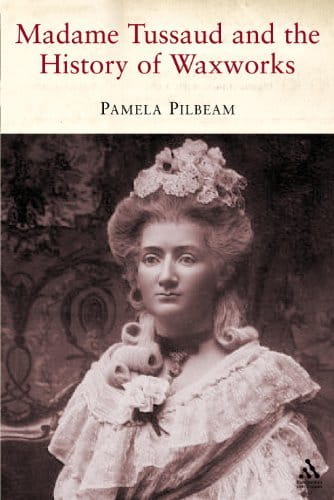
Pamela M.Pibeam, Madame Tussaud and the History of Waxwork
Wydawnictwo: Hambledon Continuum Rok wydania: 2006 Liczba stron: 287 Okładka: miękka Stan: nowa
Program lojalnościowy
Zdobywaj punkty za zakup produktów objętych programem lojalnościowym. Za punkty będą naliczane rabaty na kolejne zakupy.
W panelu klienta znajdziesz informacje o Twoim stałym rabacie.
Zdobywaj punkty za zakup produktów objętych programem lojalnościowym. Otrzymuj produkty lub rabaty na kolejne zakupy.
Załóż konto lub zaloguj się. W panelu klienta znajdziesz informacje o zebranych punktach.
Zapytaj o produkt

Administratorem danych osobowych jest CZAS KSIĄŻKI. Przetwarzamy je w celu przesłania odpowiedzi na zapytanie. Więcej informacji dotyczących przetwarzania danych osobowych znajduje się w polityce prywatności.
Udostępnianie karty produktu



Paczkomaty InPost
Koszty dostawy wybranego produktu
-
Paczkomaty 12,99 zł
Paczkomaty InPost
-
Przesyłka kurierska do 30 kg 19,00 zł
-
Przesyłka ekonomiczna polecona -Poczta Polska 14,90 zł
-
Przesyłka priorytetowa polecona -Poczta Polska 15,90 zł
Cena dostawy dotyczy tego produktu (w wybranym wariancie - jeśli dotyczy). Może się ona zmienić po dodaniu innych produktów do koszyka.
Opis produktu
Książka w języku angielskim.
Wysyłka w ciągu 6-9 dni roboczych.
The success of Madame Tussaud's, from its beginnings in Paris before the French Revolution to its prolonged fame as a popular tourist attraction in London, bears out the fascination of waxworks. Yet Madame Tussaud was by no means the inventor of wax figures or their only exhibitor. Wax heads and models had been used since Roman times and were used for saints' statues by the Catholic Church and for anatomical teaching. There were also many rival shows, often travelling from town to town, as Tussaud's did for its first thirty years in England. Pamela Pilbeam sees Madame Tussaud herself and her exhibition as part of the wider history of wax modelling and of popular entertainment. Tussaud's catered for the public's fascination with monarchy, whether Henry VIII and his wives or Queen Victoria, as well as for their love of history, acting as an accessible and enjoyable museum (but also providing the perennial fascination of the Chamber of Horrors.)


 Zaloguj przez Google
