

Kod produktu: 22140746
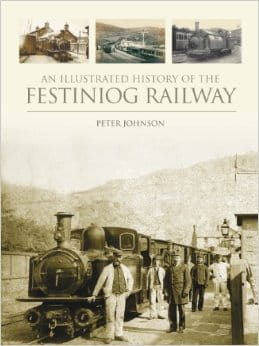
Peter Johnson, An Illustrated History of the Festiniog Railway
Wydawnictwo: OPC Railprint Rok wydania: 2014 Liczba stron: 160 Okładka: twarda Stan: nowa
Program lojalnościowy
Zdobywaj punkty za zakup produktów objętych programem lojalnościowym. Za punkty będą naliczane rabaty na kolejne zakupy.
W panelu klienta znajdziesz informacje o Twoim stałym rabacie.
Zdobywaj punkty za zakup produktów objętych programem lojalnościowym. Otrzymuj produkty lub rabaty na kolejne zakupy.
Załóż konto lub zaloguj się. W panelu klienta znajdziesz informacje o zebranych punktach.
Zapytaj o produkt

Administratorem danych osobowych jest CZAS KSIĄŻKI. Przetwarzamy je w celu przesłania odpowiedzi na zapytanie. Więcej informacji dotyczących przetwarzania danych osobowych znajduje się w polityce prywatności.
Udostępnianie karty produktu



Paczkomaty InPost
Koszty dostawy wybranego produktu
-
Paczkomaty 12,99 zł
Paczkomaty InPost
-
Przesyłka kurierska do 30 kg 19,00 zł
-
Przesyłka ekonomiczna polecona -Poczta Polska 14,90 zł
-
Przesyłka priorytetowa polecona -Poczta Polska 15,90 zł
Cena dostawy dotyczy tego produktu (w wybranym wariancie - jeśli dotyczy). Może się ona zmienić po dodaniu innych produktów do koszyka.
Opis produktu
Wydawnictwo: OPC Railprint
Rok wydania: 2014
Liczba stron: 160
Okładka: twarda
Stan: nowa
Książka w języku angielskim.
Wysyłka w ciągu 6-9 dni roboczych.
Now reprinted due to popular demand, this highly successful title provides a detailed and comprehensive history of the Festiniog Railway prior to preservation in the 1950s The narrow-gauge Festiniog Railway in Wales is one of the country's leading heritage lines. Running from the slate-quarrying town of Blaenau Ffestiniog to the coast at Porthmadog, the line now carries countless thousands of visitors and tourists. Prior to passing into preservation in the 1950s, the Festiniog had an equally important role in the local economy as a means of shipping vast quantities of slate from the quarries in and around Blaenau Ffestiniog down to the harbour at Porthmadog where they could be shipped, either by standard-gauge railways or by ship to the rest of the country or overseas for the worldwide market. When the Festiniog Railway first opened in 1836 it was operated by gravity and horse power and steam locomotives were introduced during the 1860s. By the mid-20th century, however, changing economic circumstances forced the line towards closure and, had it not been for the preservationists, it would have become as much a part of history as the slate industry it was built to serve. This detailed analysis of the Festiniog will be of interest to modellers of the narrow gauge, those involved in the preservation and operation of the contemporary Festiniog Railway and all those fascinated by the local and industrial history of this part of Wales.


 Zaloguj przez Google
