

Kod produktu: 22175237
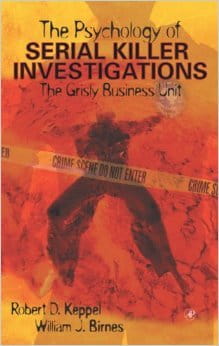
R.D.Keppel W.J.Birnes, The Psychology of Serial Killer Investigations
Wydawnictwo: Academic Press Inc Rok wydania: 2003 Liczba stron: 232 Okładka: twarda Stan: nowa
Program lojalnościowy
Zdobywaj punkty za zakup produktów objętych programem lojalnościowym. Za punkty będą naliczane rabaty na kolejne zakupy.
W panelu klienta znajdziesz informacje o Twoim stałym rabacie.
Zdobywaj punkty za zakup produktów objętych programem lojalnościowym. Otrzymuj produkty lub rabaty na kolejne zakupy.
Załóż konto lub zaloguj się. W panelu klienta znajdziesz informacje o zebranych punktach.
Zapytaj o produkt

Administratorem danych osobowych jest CZAS KSIĄŻKI. Przetwarzamy je w celu przesłania odpowiedzi na zapytanie. Więcej informacji dotyczących przetwarzania danych osobowych znajduje się w polityce prywatności.
Udostępnianie karty produktu



Paczkomaty InPost
Koszty dostawy wybranego produktu
-
Paczkomaty Darmowa
Paczkomaty InPost
-
Przesyłka kurierska do 30 kg Darmowa
-
Przesyłka ekonomiczna polecona -Poczta Polska Darmowa
-
Przesyłka priorytetowa polecona -Poczta Polska Darmowa
Cena dostawy dotyczy tego produktu (w wybranym wariancie - jeśli dotyczy). Może się ona zmienić po dodaniu innych produktów do koszyka.
Opis produktu
Książka w języku angielskim.
Wysyłka w ciągu 6-9 dni roboczych.
Serial killers like Seattle's Ted Bundy, Maryland's Beltway Sniper, Atlanta's Wayne Williams, or England's Peter Sutcliffe usually outsmart the task forces on their trail for long periods of time. Keppel and Birnes take readers inside the operations of serial killer task forces to learn why. What is the underlying psychology of a serial killer and why this defeats task force investigations? This is the first book of its kind that combines state-of-the-art psychological assessment experience with the expertise of a homicide investigator who has tracked some of this country's most notorious serial killers. The author also brings to the book hands-on best practices gleaned from the experience of other task forces. Readers, both professionals and students, will benefit from the comprehensive and critical case reviews, the analysis of what went wrong, what went right, and the after-action recommendations of evaluators in the US, UK, and Canada. The book covers: the nature of the psychology of a serial killer; how crime assessment profiling reveals that psychology; why psychological profiles fail; how serial killer task forces defeat themselves; how the media can, and usually does, undermine the task force operation; the big secret of all serial killer investigations: police already have the killer's name; the best practices for catching a serial killer; comprehensive case reviews of some of the US' and UK's most baffling serial killer cases; a list of best practices for serial killer task force investigators; recommendations for how to manage comprehensive files and computer records; practical advice on how to manage the media: what to say and not to say; insight into what a serial killer might be thinking and doing to stay away from police; recommendations for setting up and administering long-term investigations; and, practical tips on how to maintain a task force's psychological edge and avoid defeatism.


 Zaloguj przez Google
